What If Your Vacation Could Start Before You Even Leave the House?
Imagine locking your front door and still feeling that nagging doubt—did you forget to close the basement window? With smart door and window sensors, peace of mind begins the moment you arm your system. These small devices don’t just alert you to open windows; they quietly transform how you experience travel, home life, and family safety. Let me show you how something so simple can make your days easier and your trips worry-free.
The Moment Before You Go: That One Thing You Always Double-Check
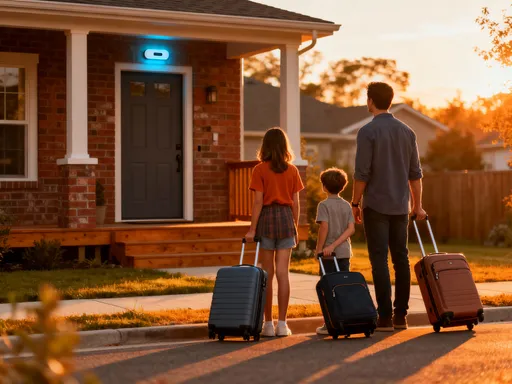
We’ve all been there—suitcase zipped, kids buckled in, car engine running—yet we pause, wondering if every window is shut and every door locked. That tiny hesitation, that mental tug-of-war between excitement and worry, can steal the joy right from the start of a long-awaited getaway. I remember one summer morning, my family and I were headed to the mountains. We’d packed the night before, double-checked the cooler, made sure the dog had water. But halfway down the driveway, I froze. Did I lock the patio door? I couldn’t remember. I turned the car around, drove back, and sure enough—the sliding glass door was cracked open. Two hours lost. And all because I didn’t have a way to know for sure.
That experience isn’t unique. So many of us live with that low hum of uncertainty—especially when we’re responsible for a home, kids, pets, or aging parents. It’s not just about security; it’s about the weight of responsibility. We want to enjoy our lives, but we also want to protect them. And that’s where smart door and window sensors come in—not as flashy gadgets, but as quiet partners in peace of mind. They don’t take over. They don’t judge. They simply tell you, with quiet confidence, that the front door is locked, the basement window is closed, and the house is secure.
When you can trust that your home is safe, you’re not just saving time—you’re reclaiming mental space. That moment before you leave, when you used to feel anxious, can now feel calm. You can focus on your daughter’s excitement about the airplane snacks, or your husband’s joke about finally sleeping in. Because the house? It’s taken care of. And that shift—from doubt to certainty—is where the real magic begins.
How a Tiny Sensor Changes Your Relationship with Home
Let’s be honest—when we think of home security, we often picture alarms, cameras, or maybe even a neighborhood watch. But smart door and window sensors are different. They’re small, unobtrusive, and often no bigger than a credit card. You stick one half on the doorframe and the other on the door itself. When the connection breaks—like when a door opens—the sensor sends a signal to your home system, which then alerts your phone. It sounds simple. But the impact? It’s deeper than you might think.
For me, it changed how I see my home. It’s no longer just a structure with walls and a roof. It’s a space that communicates with me. It tells me when the kids come home from school. It reminds me if I left the garage window open after airing out the fumes from the lawnmower. It even helped me catch a drafty window that had been letting in cold air all winter—because the sensor kept showing it as “open” even when I thought it was shut. That tiny device didn’t just improve my security; it improved my comfort.
And it’s not about spying or control. It’s about care. Think of it like a nightlight for your peace of mind. You don’t need it all the time, but when you do, it’s there. One mom I spoke with uses the sensors to know when her teenage daughter gets home from soccer practice. She doesn’t call. She doesn’t text. She just sees the alert and feels that quiet relief: she’s safe. That’s not surveillance. That’s love in digital form. Your home becomes an extension of your attention, quietly watching over the people and things you care about most.
Travel Light—Not Just in Luggage, But in Mindset
Vacations are supposed to be about freedom. But how often do we really feel free? We pack light, but our minds are heavy. We’re thinking about the stove we *think* we turned off, the garage door we *hope* is closed, the dog who might push a window open with her nose. I used to carry that mental checklist like a backpack I couldn’t take off. Even on a beach in Florida, I’d find myself wondering: did I lock the back door?
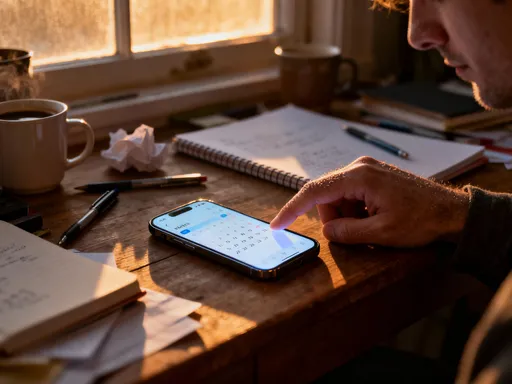
With smart sensors, that weight lifts. You don’t have to wonder. You can open your phone, tap an app, and see—yes, all doors are locked. Or better yet, set it to send you a single “All Secure” message when you leave. That one little notification does more than confirm facts. It gives you permission to relax. You can finally be present—watching your son build a sandcastle, laughing with your sister over piña coladas, breathing in the salt air without a single nagging thought.
One of my friends told me she used to call her neighbor every time she traveled. “Just to check,” she’d say. After installing sensors, she stopped. And she said something that stuck with me: “I didn’t realize how much energy I was wasting on worry until I stopped doing it.” That’s the real benefit. It’s not just about avoiding a disaster. It’s about gaining back the calm, the joy, the presence that makes a vacation truly restorative. You’re not just traveling lighter in your suitcase—you’re traveling lighter in your mind.
More Than Security: A Tool for Family Harmony
We often think of home tech as something that keeps strangers out. But smart sensors can also help keep your family connected. Think about it: your teenager comes home from school. Instead of yelling “I’m home!” down the hall, you get a gentle ping on your phone. No need to interrupt your work call. No need to shout across the house. You just know. And that small moment of reassurance can make a big difference—especially on busy days when everyone’s moving in different directions.
For families with aging parents living nearby, these sensors can be a gentle way to stay connected. One woman I spoke with uses them on her mom’s bedroom and kitchen doors. She doesn’t track her mom’s every move. She just wants to know if she’s up and about in the morning, or if she opened the window for fresh air. It’s not about control. It’s about care without intrusion. It’s a way to say, “I’m here for you,” without being physically present.
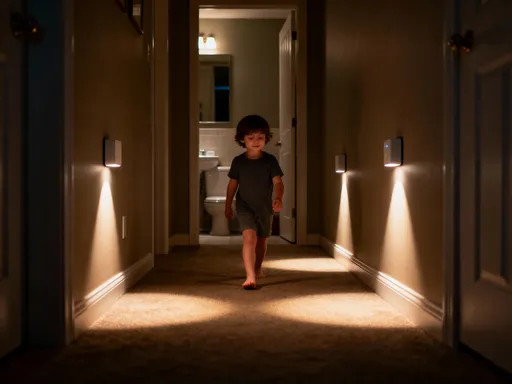
And for kids? They can be sneaky. My younger son has a habit of tiptoeing to the kitchen at night for cookies. With a sensor on the pantry door, I get a quiet alert. I don’t scold him. I just go down, remind him about bedtime, and sometimes we share a glass of milk together. It’s turned a potential conflict into a quiet bonding moment. These little devices don’t replace parenting. They just give you more tools to parent with patience and presence. We’ve started calling them “peace-of-mind helpers” at our house. They don’t solve every problem, but they help us feel more connected, more in tune, more at ease.
Setting It Up: Simpler Than You Think
I’ll admit—I used to think smart home tech was complicated. Wires, apps, confusing menus, tech support calls that go nowhere. But setting up door and window sensors? It’s one of the easiest things I’ve added to my home. Most systems use adhesive strips—no drilling, no tools, no mess. You peel, stick, and pair. That’s it. I did mine during a commercial break while watching a movie. The hardest part was deciding where to put them.
You start with a hub—a small device that connects to your Wi-Fi and talks to the sensors. Then you download the app, follow the setup steps, and within minutes, you’re connected. Some systems even walk you through it with voice prompts. “Sensor detected. Please name this device.” It’s like having a friendly guide right in your living room. And if you get stuck? Most brands offer live chat support or helpful videos online.
You don’t have to do it all at once. Start with the front door. Then add the back door. Then maybe a basement window or a sliding glass door. I put one on my laundry room window because the dog loves to jump up and look outside. Now, if she nudges it open, I know. The whole process took me less than an hour. No electrician. No weekend project. Just a few quiet moments that made my home smarter and my life easier. And the best part? You don’t have to change your routine. The technology fits into your life—not the other way around.
Real Life, Real Moments: When the Sensor Saved the Day
Talk is one thing. Real-life stories? Those stick with you. A neighbor of mine—Sarah—was at her daughter’s soccer game when her phone buzzed. The sliding glass door at home was open. She hadn’t opened it. Her kids were with her. She called her husband, who drove over. Turns out, a strong gust during a sudden storm had blown the door open. Rain was already pouring onto the hardwood floor. Because of that alert, they got there in time to close it, mop up the water, and prevent warping. Without the sensor? They might not have known until it was too late.
Another friend—Lisa—has a playful golden retriever who loves to explore. One afternoon, the dog pushed against a basement window with her nose, popping the screen loose. The window slid open. Lisa got an alert while she was at a doctor’s appointment. She called a neighbor, who secured it before any rain came in. No damage. No stress. Just a quick fix, thanks to a small device that was paying attention when she couldn’t.
These aren’t stories about burglars or break-ins. They’re about everyday risks—the kind we don’t think about until they happen. A breeze. A curious pet. A forgetful moment. That’s where smart sensors shine. They don’t just protect your home. They protect your peace. They help you avoid the “I should’ve” moments—the regrets that linger long after the damage is done. And honestly? That’s worth more than any gadget on its own.
Making It Yours: Small Tweaks, Big Peace
The beauty of smart door and window sensors is that they grow with you. You don’t have to go all-in on day one. Start small. Pick one door—the one you always worry about. See how it feels to get that confirmation. Then, when you’re ready, add another. Maybe the kids’ bedroom windows. Or the garage entry. Or the basement where the furnace is. Over time, you’ll find your rhythm.
You can also customize how they work. Set “quiet hours” so you don’t get alerts at 2 a.m. when your teenager sneaks in from a late study session. Group sensors by room so you can check the whole house at once. Some systems even let you link them to smart lights—so if a door opens at night, a hallway light turns on gently, guiding your way without blinding you.
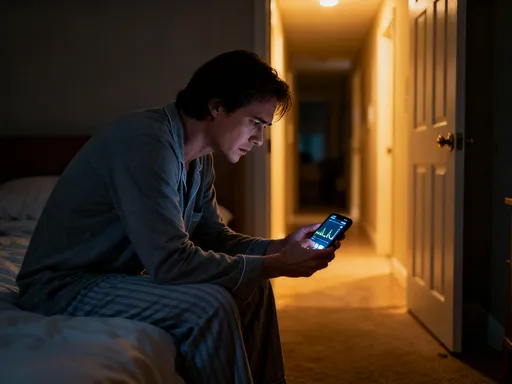
For me, it’s become part of my nighttime routine. One tap on my phone, and I know every door is locked, every window is closed. It’s not just about security. It’s about ending the day with a sense of calm. No second-guessing. No last-minute checks. Just quiet confidence. And in the morning? I wake up feeling more rested, because I didn’t spend half the night wondering if I forgot something.
Technology should make life easier, not harder. It should feel helpful, not overwhelming. When it works like this—quiet, reliable, unobtrusive—it stops feeling like tech. It starts feeling like trust. And that’s the greatest gift it can give you: the freedom to live fully, love deeply, and rest peacefully—knowing your home is watching over you, just as you watch over it.