More than reminders: How tiny tech habits quietly transformed my daily rhythm
Ever feel like your day is running you instead of the other way around? I did—until I stopped chasing big changes and started leaning on small, smart tools. It wasn’t about willpower. It was about syncing technology with my natural pace. These quiet nudges didn’t just track my steps or sleep—they revealed patterns, softened transitions, and helped me move through life with more ease. This is what happens when tech stops feeling like a taskmaster and starts feeling like a calm companion.
The Chaos Before the Calm: When My Day Felt Like a To-Do List on Fire
There was a time when I’d wake up already behind. The alarm would go off, and before my feet even hit the floor, my mind was racing through everything I hadn’t finished the day before. Breakfast? Skipped. Water? Forgotten. By 9 a.m., I was already three emails deep, two cups of coffee in, and somehow still foggy. My phone buzzed constantly—work messages, school pickup reminders, grocery lists, calendar alerts. Each ping felt like a tap on the shoulder saying, "You’re late. You’re forgetting something. Hurry up." I’d move from task to task like I was sprinting through a maze with no exit. I’d promise myself I’d take five minutes to stretch, to breathe, to just sit still—but those moments never came. Lunch was a protein bar eaten at my desk while I answered calls. Evenings blurred into a cycle of cooking, cleaning, helping with homework, and collapsing onto the couch, only to scroll mindlessly until midnight. I wasn’t living my life. I was surviving it. And the worst part? I thought this was normal. I told myself, "This is just what being a busy woman looks like." But deep down, I knew something was off. I snapped at my kids after a long Zoom meeting. I forgot to call my sister on her birthday. I’d lie in bed at night, exhausted but wired, wondering why I felt so empty despite being so busy. The truth was, I didn’t have a rhythm. I had chaos. And no amount of hustle was going to fix it.
Small Shifts, Not Big Fixes: Why I Gave Up on 30-Day Challenges
I tried everything to get my life back. I downloaded apps promising to fix my sleep, boost my focus, and sculpt my abs in 30 days. I bought fancy journals with color-coded sections and motivational quotes on every page. I even set a goal to meditate for 20 minutes every morning. But within a week, I’d fail. The meditation app would send me a guilt-tripping message: "You’ve missed three days in a row." The fitness tracker would scold me for not hitting 10,000 steps. And the journal? It stayed pristine, untouched, a quiet monument to my good intentions. I realized I wasn’t failing because I lacked discipline. I was failing because I was trying to force myself into someone else’s idea of success. Those big, flashy challenges weren’t designed for real life—they were designed for Instagram reels. What I needed wasn’t a revolution. I needed a whisper. So I started small. Instead of committing to an hour of yoga every morning, I set one tiny intention: "After I send three work emails, I’ll stand up and stretch for one minute." No fanfare. No tracking. Just a gentle nudge to my body. I didn’t even use an app at first—just a sticky note on my monitor. But something shifted. That one stretch made me more aware of how long I’d been sitting. It made me notice my stiff shoulders, my shallow breathing. And slowly, that one stretch turned into two. Then I started walking around the block after lunch. Not because I had to, but because I wanted to. I learned that real change doesn’t come from grand gestures. It comes from consistency, not intensity. And technology, when used gently, can support those tiny choices without judgment. I found an app that let me log just one habit a day—no pressure, no streaks, no guilt. I chose "drink one glass of water before 10 a.m." It felt almost silly at first. But doing it—even on days when I forgot—helped me feel like I was showing up for myself. Not perfectly. Just kindly.
My Phone Became a Mirror, Not a Judge
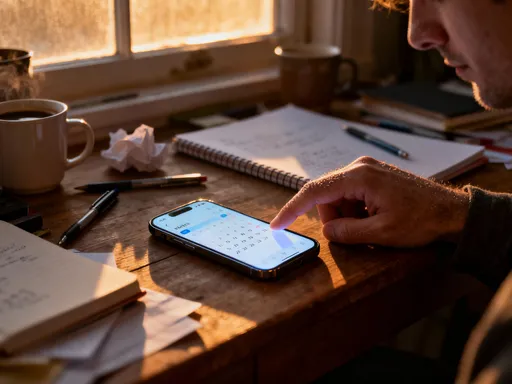
I used to see my phone as the enemy. It was the thing keeping me up at night, the source of endless distractions, the reason I missed moments with my family. But then I started using it differently. Instead of scrolling mindlessly, I began using simple tracking tools—not to shame myself, but to understand myself. I downloaded a basic step counter, not because I wanted to hit a magic number, but because I wanted to see where I was naturally moving and where I was stuck. I also started using a mood journal app—one that asked just one question each evening: "How did you feel today?" with options like calm, tired, energized, overwhelmed. I didn’t think much of it at first. But after a few weeks, patterns began to emerge. One week, I noticed that every Tuesday and Thursday, my mood dipped to "low" by 3 p.m. At first, I thought it was work stress. But when I cross-referenced it with my eating habits, I realized something simple: I hadn’t eaten lunch. I was so caught up in meetings that I’d skip it entirely. No wonder I felt drained and irritable. The app didn’t yell at me. It didn’t say, "You failed!" It just showed me the data. And that was enough. I started packing a simple lunch the night before. I set a quiet reminder for 12:30 p.m. that said, "Time to eat. You’ve got this." No drama. No guilt. Just care. And within days, my afternoons felt lighter. I had more patience with my kids. I smiled more. The tech didn’t fix me—it reflected me. And in that reflection, I found clarity.
Syncing with My Body, Not the Clock
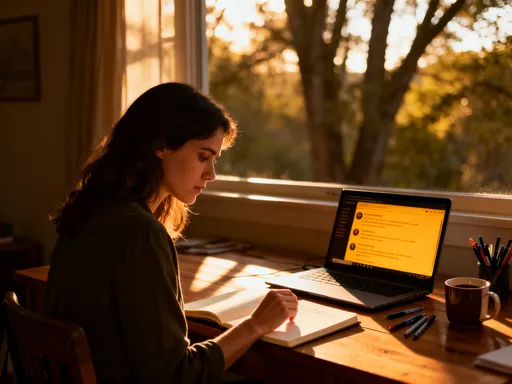
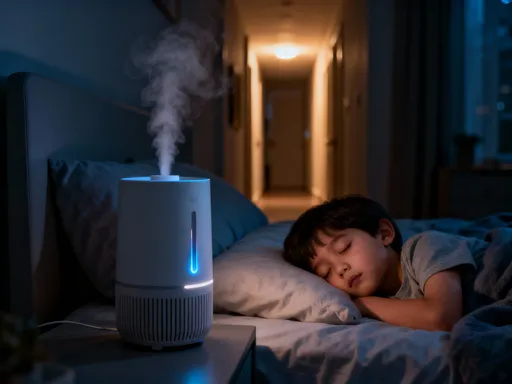
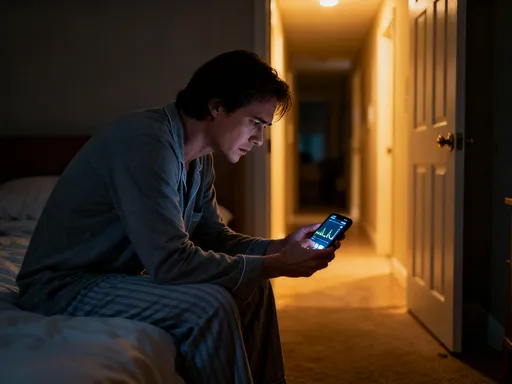
For years, I thought I was a night owl. I told myself, "I do my best thinking at midnight." But the truth? I wasn’t thriving at night. I was just surviving on adrenaline and coffee. I’d stay up late because the house was finally quiet, because I could finally breathe, because I felt like that was the only time I could be "me." But by 7 a.m., I was dragging. My kids would be bouncing off the walls, and I’d be shuffling around in a fog, wishing for five more minutes of sleep. Then I started using a basic sleep tracker—not the fancy kind with heart rate and blood oxygen, just a simple app that showed when I fell asleep and woke up. After two weeks, I saw a pattern: I fell asleep later than I thought, and my sleep quality dropped sharply after 11 p.m. Even more surprising? I felt more alert in the mornings when I went to bed before 10:30. So I made one small change: I started winding down at 9:30. No screens. Just dim lights, a cup of herbal tea, and a real book. I didn’t force myself to sleep—just to relax. And slowly, my body adjusted. I began waking up earlier without an alarm. My mind felt clearer. And I realized something powerful: I wasn’t a night owl. I was just out of sync. Once I understood my natural rhythm, I started scheduling my day around it. I reserved mornings for creative work—writing, planning, brainstorming—when my mind was fresh. I saved emails, bills, and other admin tasks for the afternoon, when my energy naturally dipped. I even moved my workouts to mid-morning, when I had the most stamina. Tech didn’t dictate my schedule—it helped me honor my biology. And that made all the difference.
Shared Rhythms: How Tech Quietly Strengthened My Home Life
One of the biggest surprises was how these small changes started to ripple through my home. I wasn’t just feeling better—I was showing up better. And slowly, my family began to sync with me. We started using a shared meal-planning app. Every Sunday night, we’d sit together and pick five dinners for the week. I’d add the ingredients to a shared grocery list. No more last-minute "What’s for dinner?" stress. No more takeout because I was too tired to cook. The app didn’t do the cooking—but it removed the mental load. And that was priceless. I also set a gentle reminder to call my mom every Sunday at 4 p.m. It wasn’t because I didn’t love her or didn’t want to talk. Life just got busy. But that little alert became a ritual. Now, when I hear the soft chime, I smile. I pour a cup of tea, sit by the window, and chat with her for 20 minutes. It’s become one of my favorite parts of the week. Even my partner noticed the shift. One evening, he said, "You seem… lighter." I told him about the tiny habits—the stretches, the water, the earlier bedtime. He didn’t roll his eyes. He asked, "Can we try something together?" So we downloaded a meditation app and set a daily timer for five minutes. We don’t always do it at the same time, but we try to hit "play" around the same hour. Sometimes we sit in the same room. Sometimes we’re in different parts of the house. But knowing we’re both pausing, breathing, being still—it creates a quiet connection. It’s not flashy. It’s not dramatic. But it’s real.
The Quiet Confidence of Consistency
Here’s what no one tells you about small habits: they build quiet confidence. You don’t wake up one day and feel like a completely different person. But after a few weeks, you notice things. You wake up without dreading the day. You move your body because it feels good, not because you’re punishing yourself. You eat meals that fuel you, not just fill you. You remember to drink water. You pause before reacting when the kids are loud or the dog knocks over the trash—again. I’m not perfect. Some days, I skip the stretch. I forget to log my mood. I eat dessert for dinner. But the difference is, I don’t spiral. I don’t beat myself up. I just begin again. And that’s the real shift—not in the data, but in the mindset. The apps I once relied on now run quietly in the background. I don’t check my step count obsessively. I don’t stress over missed meditations. The tools did their job: they helped me build awareness, create routines, and trust myself. Now, I don’t need constant reminders because I’ve internalized a new rhythm. I know when I need to move. I know when I need to rest. I know when I need to connect. And that’s the quiet confidence I carry now—the kind that doesn’t come from achieving big goals, but from showing up, day after day, in small, meaningful ways. It’s the confidence of knowing I can trust myself to care for me.
Tech That Fades: When Tools Become Invisible
The best technology, I’ve learned, is the kind that eventually disappears. The reminders I once needed—"Drink water," "Stand up," "Call Mom"—are now habits. The trackers I studied so closely are now occasional check-ins, not daily obsessions. The apps that once felt essential now live quietly in my phone, used only when I need a gentle nudge or a reality check. That’s the real promise of health tech—not control, but harmony. Not perfection, but presence. It’s not about optimizing every minute or chasing some ideal version of yourself. It’s about using small, smart tools to learn who you already are and how you already work. It’s about syncing with your natural rhythm, not fighting against it. Now, when I move through my day, I’m not following a rigid plan or chasing productivity. I’m listening. I’m noticing. I’m responding. I drink water because I feel thirsty, not because my phone told me to. I stretch because my body asks for it. I call my mom because I miss her, not because an alert reminded me. The tech didn’t change my life. It helped me remember how to live it. And that’s the most powerful tool of all.