Why My Hair Finally Started Growing Faster — Real Talk on Quick Hair Care Wins
Hair struggles are real — I know, because I’ve been there. Thin ends, slow growth, constant breakage. But after years of trial and error, I discovered small, science-backed changes that actually work. This isn’t about miracles; it’s about smart, doable habits that support your hair’s natural health. If you’re tired of waiting forever for results, here’s how optimizing your routine can make a noticeable difference — faster than you think.
The Frustration Behind the Mirror: Understanding Common Hair Woes
For many women, especially between the ages of 30 and 55, hair becomes more than just a style statement — it’s a reflection of how we feel inside. Thinning strands, lackluster shine, and split ends that never seem to heal can be quietly distressing. You might notice more hair on your brush each morning, or find that your ponytail isn’t as full as it once was. These aren’t just cosmetic concerns — they’re signs that something deeper may be off. Despite spending time and money on shampoos, serums, and salon treatments, many feel stuck in a cycle of temporary fixes with no lasting progress.
The truth is, hair health is not solely determined by what you apply to the surface. It’s influenced by a complex network of internal factors, including hormones, nutrient intake, stress levels, and even sleep quality. When your body is under strain — whether from chronic stress, a busy schedule, or age-related changes — your hair often shows it first. This is why one-size-fits-all products rarely deliver long-term results. Instead, sustainable improvement comes from understanding the root causes of hair concerns and addressing them holistically.
What many don’t realize is that hair is a barometer of overall wellness. Just as dry skin can signal dehydration, brittle or slow-growing hair may reflect nutritional gaps or systemic imbalances. Recognizing this connection is the first step toward meaningful change. Rather than chasing the latest viral hair trend, it’s more effective to build a routine that supports both your hair and your body’s natural ability to renew and repair.
Hair Growth 101: What Actually Happens (And How Fast?)
To understand how to improve hair growth, it helps to know how the process works. Hair doesn’t grow continuously — it follows a predictable cycle made up of three main phases: anagen, catagen, and telogen. The anagen phase is the active growth stage, during which hair follicles produce new cells and lengthen the strand. This phase typically lasts between two to seven years, depending on genetics and health. The longer your hair stays in anagen, the longer it can grow.
Next is the catagen phase, a short transitional period lasting about two to three weeks. During this time, hair stops growing and the follicle begins to shrink. Finally, the telogen phase is the resting stage, where the hair remains in place but is no longer growing. After several months, the old hair is naturally shed to make room for a new one to begin its anagen phase. On average, a person loses between 50 to 100 hairs per day — a normal part of this cycle.
Under ideal conditions, hair grows at a rate of about half an inch per month, or six inches per year. However, this speed can vary widely based on age, genetics, and lifestyle. As women enter their thirties and beyond, hormonal shifts — particularly around perimenopause and menopause — can shorten the anagen phase and increase shedding. This doesn’t mean growth stops entirely, but it may slow down significantly. The key is not to fight the biology, but to create the best possible environment for your hair to thrive within its natural cycle.
The Quick Fix Myth vs. Smart Optimization: Setting Realistic Expectations
The market is flooded with products promising instant transformations — shampoos that “double growth in 30 days” or serums that “regrow hair like magic.” These claims are not only unrealistic but can also lead to disappointment and wasted resources. Hair growth is a slow, biological process that cannot be rushed by a single product or overnight treatment. Believing otherwise sets up an impossible standard and distracts from the real solutions that do work — consistent, science-based habits.
Instead of chasing quick fixes, a smarter approach is optimization: making small, sustainable changes that collectively enhance your hair’s health. Think of it like tending a garden. You wouldn’t expect flowers to bloom overnight after planting seeds, but with regular watering, sunlight, and healthy soil, growth becomes inevitable. Similarly, your hair responds best to daily care, proper nourishment, and reduced damage over time.
That said, there are some practices that can create the appearance of faster growth in the short term. Scalp massage, for example, increases blood circulation to the follicles, which may support stronger growth over weeks. Trimming split ends regularly prevents further breakage, making hair look longer and healthier. These are not miracles, but they are measurable improvements. The real power lies in combining these quick wins with long-term foundations like balanced nutrition, quality sleep, and stress management. When these elements work together, results become not only visible but lasting.
Scalp Health: Why It’s the Foundation of Faster-Looking Growth
Often overlooked, the scalp is the soil from which every strand grows. If the scalp is clogged, dry, or inflamed, even the healthiest hair cannot thrive. Think of it as the foundation of a house — no matter how beautiful the structure, it won’t stand strong without solid ground. A healthy scalp provides oxygen and nutrients to the follicles through adequate blood flow, removes waste products, and maintains a balanced microbiome to prevent irritation and flaking.
One of the most common issues is product buildup. Over time, styling products, hard water minerals, and natural oils can accumulate on the scalp, blocking follicles and limiting growth potential. This is especially true for those who use dry shampoo frequently or live in areas with mineral-heavy water. Regular, gentle cleansing is essential. Using a mild, sulfate-free shampoo every few days — or as needed based on your hair type — helps maintain cleanliness without stripping natural oils.
Exfoliation is another key step. Just as you might exfoliate your face to remove dead skin cells, your scalp benefits from occasional gentle scrubs. These can be as simple as a soft brush or a DIY mixture of brown sugar and coconut oil used once a week. The goal is to stimulate the skin and encourage cell turnover without causing irritation. Over-exfoliating can do more harm than good, so moderation is important.
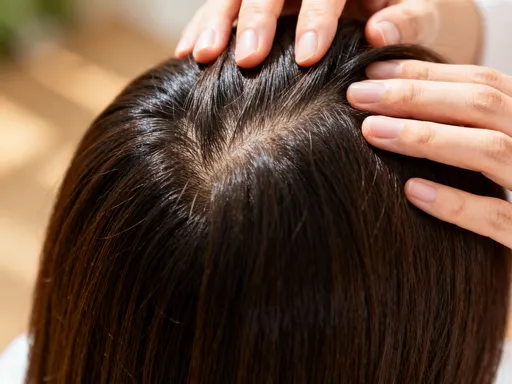
Scalp massage is a low-effort, high-reward habit. Just five to ten minutes a day can make a difference. Using the pads of your fingers (not nails), apply light pressure in circular motions across the scalp. This increases circulation, which delivers more nutrients to the follicles. Some studies suggest that consistent massage may even thicken hair over time. It’s also a calming practice — a moment of self-care that reduces stress, another factor that impacts hair health. Making this a part of your nightly routine, perhaps while watching TV or before bed, turns it into a sustainable habit.
Fuel From Within: Nutrients That Support Stronger, Healthier Hair
No amount of external care can compensate for poor internal nutrition. Hair is made mostly of a protein called keratin, so your diet must provide enough high-quality protein to support continuous growth. When protein intake is low, the body prioritizes essential functions over hair production, which can lead to thinning or shedding. Including lean meats, eggs, legumes, and dairy in your meals ensures a steady supply of amino acids, the building blocks of hair.
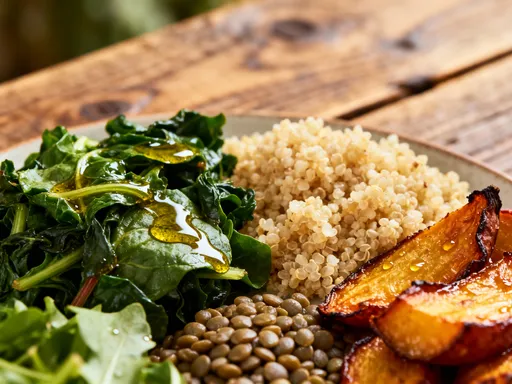
Several key nutrients play a direct role in hair health. Biotin, also known as vitamin B7, is widely recognized for its support of hair and nail strength. While severe deficiency is rare, marginal insufficiency can contribute to brittle hair. Instead of relying on supplements, which aren’t always necessary or safe, focus on food sources like eggs, nuts, sweet potatoes, and whole grains. Iron is another critical nutrient, especially for women who may experience blood loss during menstruation or have diets low in red meat. Low iron stores, even without full anemia, have been linked to hair loss in multiple studies. Beans, spinach, lentils, and fortified cereals are excellent plant-based sources, and pairing them with vitamin C-rich foods like bell peppers or citrus enhances absorption.
Zinc supports the hair growth and repair cycle and helps maintain the oil glands around follicles. Oysters, pumpkin seeds, and chickpeas are rich in zinc, making them easy additions to soups, salads, or snacks. Omega-3 fatty acids, found in fatty fish like salmon, chia seeds, and walnuts, nourish the scalp and add natural shine to hair. They also have anti-inflammatory properties, which can help reduce scalp irritation and support follicle health.
Rather than adopting restrictive or trendy diets, aim for balance and variety. A plate that includes colorful vegetables, lean proteins, healthy fats, and whole grains provides a broad spectrum of nutrients that support not just hair, but overall vitality. Staying hydrated is equally important — water helps transport nutrients to cells and keeps hair hydrated from the inside out. While supplements may seem like a quick solution, they should only be considered under the guidance of a healthcare provider, as excessive intake of certain vitamins can be harmful.
Daily Habits That Add Up: Low-Effort, High-Impact Changes
Some of the most effective hair care strategies require little time or effort but deliver significant results over time. One of the simplest is switching to a silk or satin pillowcase. Unlike cotton, which can create friction and lead to breakage and frizz, silk allows hair to glide smoothly during sleep. This small change reduces mechanical damage and helps preserve moisture, especially for those with curly or dry hair types.
Protective styling is another powerful tool. Wearing hair in loose braids, buns, or twists minimizes exposure to environmental stressors like wind, sun, and pollution. It also reduces the need for daily brushing and styling, which can lead to split ends. The key is to avoid styles that pull too tightly on the roots, as chronic tension can damage follicles and lead to traction alopecia over time. Opt for gentle elastics and avoid metal clips that can snag strands.
Heat styling is a major contributor to damage. Flat irons, curling wands, and blow dryers, when used daily, weaken the hair shaft and strip away natural moisture. While it’s not necessary to give up heat entirely, limiting use to once a week and always applying a heat protectant can make a big difference. Air-drying when possible and using the cool setting on your dryer helps preserve integrity. When detangling, start from the ends and work upward with a wide-tooth comb to prevent unnecessary pulling.
These habits may seem minor on their own, but their cumulative effect is profound. Reducing breakage means less lost length, which creates the illusion of faster growth. Healthy hair doesn’t have to mean perfect hair — it means resilient, strong strands that can grow to their full potential without snapping off before they get there.
When to Seek Help: Knowing the Line Between Routine Tweaks and Medical Needs
While lifestyle and nutrition play a major role, there are times when hair changes signal an underlying health condition. Sudden or excessive shedding, patchy bald spots, or changes in texture that don’t improve with care should not be ignored. Conditions such as thyroid disorders, polycystic ovary syndrome (PCOS), or prolonged stress can disrupt the hair cycle and lead to noticeable loss. Hormonal fluctuations during perimenopause and menopause are also common contributors.
It’s important to recognize that optimizing your routine complements medical care — it doesn’t replace it. If you’re concerned about your hair, consulting a healthcare provider or dermatologist is a responsible step. They can run blood tests to check for deficiencies, hormonal imbalances, or other issues that may require treatment. Early intervention can prevent further loss and support regrowth.
There’s no shame in seeking help. In fact, it’s a sign of self-respect and awareness. Many women hesitate, fearing judgment or thinking they should be able to “fix it on their own.” But health is not a test of willpower — it’s a system that sometimes needs support. Whether it’s adjusting medication, managing stress, or addressing a deficiency, professional guidance can make all the difference. The goal is not perfection, but progress — and that includes knowing when to ask for help.
Conclusion: Building a Smarter, Sustainable Hair Care Mindset
Hair growth isn’t about shortcuts or secret formulas. It’s about consistency, patience, and a holistic approach that honors both your body and your lifestyle. The changes that made the biggest difference weren’t dramatic — they were small, science-backed habits practiced regularly. A gentle scalp massage before bed. A bowl of lentil soup for lunch. Choosing a silk pillowcase. These choices, repeated over time, created the conditions for healthier, stronger hair.
Reframing “quick results” as smart results shifts the focus from desperation to empowerment. You’re not failing if your hair isn’t growing overnight — you’re learning how to support it in a way that lasts. Healthy hair isn’t defined by length or volume alone, but by resilience, shine, and the confidence that comes from knowing you’re caring for yourself from the inside out.
Progress, not perfection, is the goal. Every nourishing meal, every night of good sleep, every moment of mindful care adds up. Your hair is part of your story — and with the right support, it can reflect the strength, wisdom, and beauty of the woman you are today.